How often should offices be cleaned? It’s a question many business owners and office managers face when trying to create a productive, safe, and professional environment. A clean office doesn’t just look good it promotes health, boosts morale, enhances company image, and ensures compliance with workplace hygiene standards. But the answer to this question isn’t one-size-fits-all. Cleaning frequency depends on several factors like office size, number of employees, industry type, and whether or not the space is customer-facing.
In this complete guide, we’ll walk you through how often offices should be cleaned depending on your specific needs.
Table of Contents
- Introduction
- Key Takeaways
- Why Office Cleaning Frequency Matters
- Daily Office Cleaning Tasks
- Weekly Cleaning Tasks
- Monthly Deep Cleaning Tasks
- Industry-Specific Cleaning Requirements
- Signs Your Office Needs More Frequent Cleaning
- Conclusion
- FAQs
Key Takeaways
- Offices should be cleaned daily, weekly, and monthly depending on usage and industry.
- High-traffic areas like bathrooms, kitchens, and lobbies need daily cleaning.
- Deep cleaning should be scheduled monthly or quarterly to prevent buildup.
- Industries like healthcare or food service require more frequent, regulated cleaning.
- Employee health, client impressions, and productivity all benefit from a clean workspace.
- A downloadable cleaning calendar can help businesses stay consistent.
Why and How Often Should Offices Be Cleaned?
The frequency of office cleaning can directly affect employee absenteeism, customer satisfaction, and operational efficiency. Dust, dirt, and germs accumulate faster than most people realize especially in shared spaces like desks, conference rooms, and break rooms. Asking how often should offices be cleaned? is not just about cleanliness it’s about keeping your team healthy and your space presentable.
Factors That Affect Cleaning Frequency:
- Size of the office: Larger spaces require more regular cleaning rotations.
- Number of employees: More staff equals more traffic and faster accumulation of dirt.
- Type of work: Medical offices, retail spaces, or food-based businesses need stricter cleaning protocols.
- Foot traffic: Offices with frequent visitors need to clean more often than private workspaces.
- Seasonality: Cold and flu season or winter snow in Pittsburgh brings more grime indoors.
Daily Office Cleaning Tasks
So, how often should offices be cleaned on a daily basis?
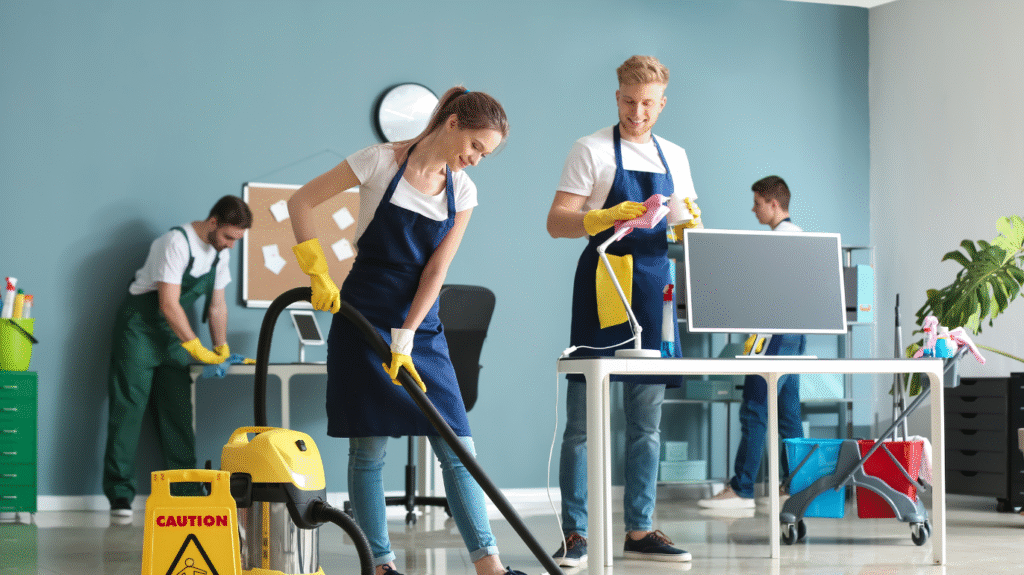
For most workplaces, daily cleaning is a must for high-touch and high-traffic areas. This includes:
- Emptying trash bins in all workstations and common areas
- Wiping down desks and phones with disinfectant wipes
- Vacuuming or mopping floors in entryways, kitchens, and hallways
- Sanitizing bathrooms, including toilets, sinks, and mirrors
- Cleaning kitchenettes, microwaves, coffee machines, and refrigerator handles
Daily cleaning ensures the office stays fresh, reduces bacteria buildup, and contributes to employee well-being.
Weekly Cleaning Tasks
- Dusting all surfaces, including shelves, windowsills, and baseboards
- Disinfecting shared electronics like printers, copy machines, and conference phones
- Deep-cleaning carpets and rugs in heavy-use areas
- Polishing glass and metal surfaces to remove fingerprints and smudges
- Restocking hygiene supplies, including soap, paper towels, and disinfectant wipes
By doing these tasks weekly, you help maintain a higher standard of cleanliness and avoid long-term grime accumulation.
Monthly Deep Cleaning Tasks
When asking how often should offices be cleaned deeply, the answer is at least once a month.
Monthly or bi-monthly deep cleaning is vital for maintaining a sanitary and professional workspace. These tasks often require specialized equipment or professional cleaning services:
- Steam cleaning carpets and upholstery
- Cleaning vents and air ducts to improve air quality
- Washing windows inside and out
- Scrubbing tile grout and hard-to-reach corners
- Reorganizing and sanitizing storage rooms
- Checking for mold or moisture damage, especially in older Pittsburgh buildings
This level of cleaning goes beyond appearances it addresses hidden germs and allergens that daily and weekly routines can miss.
Industry-Specific Cleaning Requirements
Your industry plays a huge role in determining how often should offices be cleaned. Some sectors require strict adherence to health and safety standards.
Medical & Healthcare:
- Daily disinfection of all surfaces
- Hourly bathroom checks
- Regular sanitization logs for compliance
Food & Beverage Offices:
- Daily kitchen sterilization
- Pest control inspections
- Regular floor and trash audits
Retail & Customer-Facing Offices:
- Daily lobby and restroom cleaning
- Polished glass doors and floors
- More frequent vacuuming due to foot traffic
Corporate & Tech Offices:
- Flexible schedules often hybrid-based
- Emphasis on desk sanitization and air quality
- Electronics-safe cleaning methods
Signs Your Office Needs More Frequent Cleaning
Even with a regular schedule, sometimes your space might need extra attention. Ask yourself:
- Are employees getting sick more frequently?
- Do you notice dust buildup or bad odors?
- Are clients or visitors commenting on cleanliness?
- Is your cleaning staff overwhelmed by daily demands?
If you’ve answered yes to any of these, it may be time to increase your cleaning frequency.
Call us today or visit pittsburghcleaningsolutions.com to request a free quote and discover how we can keep your workspace spotless and stress-free.
Conclusion
So, how often should offices be cleaned? There’s no universal answer, but every Pittsburgh office should aim for a structured cleaning routine that includes daily tidying, weekly maintenance, and monthly deep cleaning. Tailoring your schedule based on industry, staff size, and office layout is key to maintaining a healthy and professional workplace.
A clean environment leads to happier employees, fewer sick days, and better client impressions. With the downloadable calendar included in this guide, staying consistent is easy and effective.
Frequently Asked Questions
How often should small offices be cleaned?
Small offices should still receive daily cleaning for trash removal and high-touch surfaces. Weekly deep cleaning is usually sufficient unless the office has frequent visitors or shared kitchens and bathrooms.
Do I need professional cleaning services or can in-house staff handle it?
That depends on the size and nature of your office. Many companies opt for a hybrid approach daily upkeep by staff, with professionals brought in for monthly or quarterly deep cleaning.
What’s the most important area to clean daily?
Bathrooms and kitchens. These are breeding grounds for bacteria and should always be sanitized daily to protect employee health.
How can I ensure cleaning is done consistently?
Use a cleaning calendar and checklist. Assign responsibilities or hire a professional company with a trackable system. Consistency is easier when tasks are documented and scheduled.
Does cold and flu season affect how often I should clean?
Absolutely. Increase daily disinfecting of common surfaces during cold and flu seasons, especially in shared areas like desks, door handles, and conference tables.
How do I know if my current cleaning schedule is effective?
Monitor employee sick days, conduct cleanliness surveys, and perform visual inspections. If dirt or odors persist, it may be time to revise your cleaning routine.
Can office cleaning affect productivity?
Yes. Studies show that clean workplaces reduce distractions, lower stress, and increase overall productivity. Employees feel more comfortable and perform better in organized environments.